How to Plan a Multi-City Trip When Connections May Change
A multi-city trip can fall apart when one late arrival leaves no time for the next train, bus or visit. The fix is not a universal “safe” transfer time. It is an itinerary that shows which connections matter, what ticket you hold, and what you would do if a leg changes. Before paying for several cities at once, test the route as a chain of decisions rather than a list of attractive stops.
Contents
- How much connection time should you leave?
- Why does the ticket structure matter?
- How should you arrange cities and fixed activities?
- What should you check as travel approaches?
- What should you do after a missed EU rail connection?
- What belongs in a workable contingency plan?
Key takeaways
- No single interval makes every connection safe.
- Before checkout, ask whether the connected rail legs are sold as a through-ticket or as separate transport contracts.
- Start with events that cannot move: a booked performance, guided visit, family meeting or departure home.
- Use the operator's current timetable and disruption notices for each transport leg.
- Find the staff or official channel for the railway and show the complete booking.
For rail journeys in the European Union, the European Commission's passenger-rights guidance explains a consequential distinction: missed-connection rights described there apply to a through-ticket, while individual tickets may not carry the same protection. This guide uses that official source for EU rail rights. It does not apply those rules automatically to buses, flights or rail travel outside their scope. The Commission rail-rights overview also tracks national exemptions, another reason to check the actual service.
How much connection time should you leave?
No single interval makes every connection safe. Consider the size of the station, whether you must change terminals, the last useful onward departure, mobility needs, luggage and the effect of missing a reserved activity. A short transfer between frequent services is a different decision from catching the final train of the day. You cannot capture that risk by copying a number of minutes from a travel blog.
Build a simple connection table with arrival, onward departure, place of transfer and the next workable service. Mark a link as critical if missing it would cost a hotel night, an event or a departure to another country. Give critical links more room or move the activity to a later day. If an operator changes its timetable before travel, update the table and recheck the following legs.
The EU page uses a 60-minute expected delay at the final destination as a threshold for certain missed-connection rights under a through-ticket. That is a legal condition in the guidance, not a recommended transfer buffer. Confusing those two meanings of time could lead to a fragile itinerary.
Why does the ticket structure matter?
Before checkout, ask whether the connected rail legs are sold as a through-ticket or as separate transport contracts. The EU guidance says the seller should tell you whether tickets for a journey with connections form a through-ticket. If a missed connection on a through-ticket is expected to delay arrival at the final destination by at least an hour, the page describes options for reimbursement or continuation and rerouting, subject to its conditions.
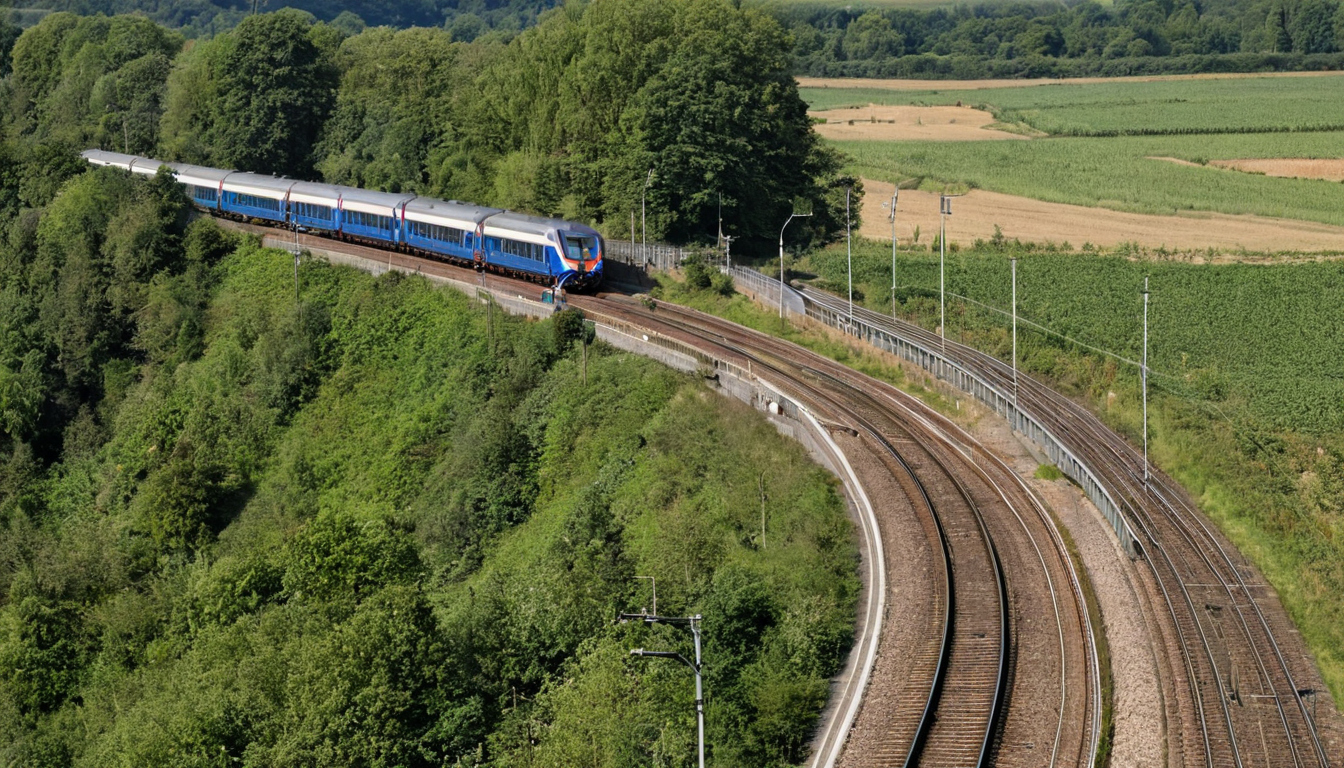
What buffer time prevents missed connections on multi-city tours.
That differs materially from assuming every collection of tickets in one shopping cart is a protected journey. The same official page warns that its missed-connection rights do not apply to individual tickets, although operators may have arrangements that help passengers continue. Save the booking details and the seller's description of the contract. If you are unsure, ask before purchase and keep the answer.
A single booking may still include separate services. The EU rail-rights FAQ discusses this distinction. Read the terms for the actual itinerary and operators rather than treating “one payment” as proof of a through-ticket. For a bus or flight connection, consult its own operator and the applicable passenger-rights rules: this rail source does not establish those protections.
How should you arrange cities and fixed activities?
Start with events that cannot move: a booked performance, guided visit, family meeting or departure home. Place them on the calendar first. For each, ask which transport leg could stop you arriving. A city with only one useful arrival may need an earlier travel day. A flexible museum visit can sit closer to a transfer than a one-time evening event, but check the provider's actual change terms before relying on that flexibility.
Rather than insisting on a particular “hub-and-spoke” pattern, compare two or three plausible city orders. Count the critical connections in each. Look for a plan that leaves room to recover without sacrificing the reason for the trip. A less efficient route on paper may be easier to manage if it places your most important visit after a settled night, while a tight sequence may be acceptable when a missed leg would not ruin the next day.
Keep accommodation and activity terms beside the transport bookings. A flexible room or visit can reduce the cost of changing plans, but “flexible” has different meanings. Note the last change time, how to contact the provider and whether the booking is refundable, transferable or simply movable to another date. Do not claim a right to recover a prepaid tour from a railway when the source only addresses rail transport and specified assistance.
What should you check as travel approaches?
Use the operator's current timetable and disruption notices for each transport leg. Confirm station names, departure times and any platform or service changes on the day. An itinerary printed weeks earlier is a planning record, not a live guarantee. Give one traveller responsibility for keeping booking references and contact routes available offline, especially if the group may lose data access in transit.
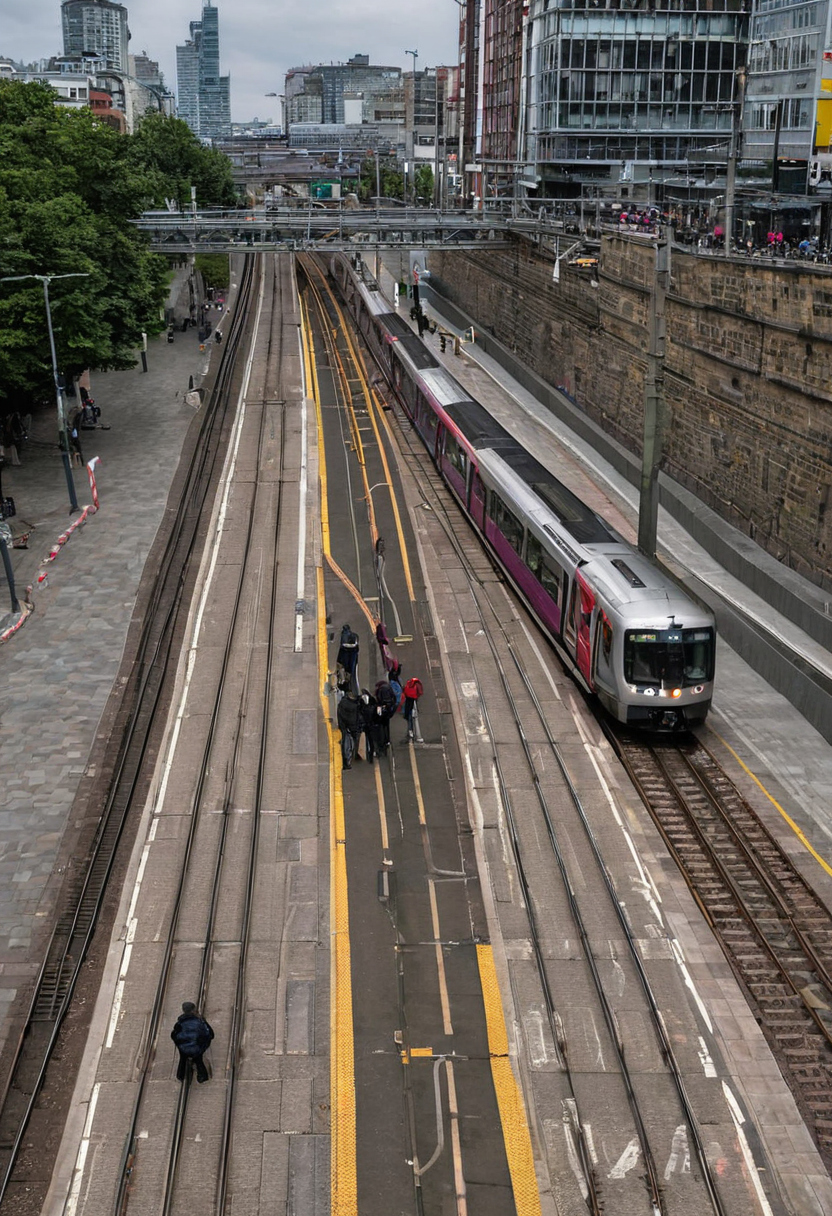
Which booking structures protect prepaid activities from transit delays.
When a change appears, start with the critical connection. Can the group still reach the planned activity or hotel? Is a later service workable? What terms apply to the ticket in hand? Updating the next leg first avoids spending time rearranging a low-stakes stop while a time-sensitive reservation approaches. If the operator provides instructions during disruption, follow those rather than making an unsupported assumption about reimbursement.
What should you do after a missed EU rail connection?
Find the staff or official channel for the railway and show the complete booking. The European Commission page sets out alternatives for eligible through-ticket journeys, including continuing or rerouting under comparable conditions or, in specified circumstances, reimbursement. It also describes assistance for qualifying delays and notes that exceptions and service exemptions can matter. Read the current page for the exact conditions of your journey.
Record what happened: original ticket, actual arrival, information given by the operator, new travel arrangements and necessary receipts. Ask the operator how to make a claim if relevant. Then notify the hotel or activity provider whose booking will be affected, citing its own terms. Do not assume an insurance policy covers the loss. Insurance depends on the policy purchased, its exclusions and the documents it requires: review those before travel, not only after a disruption.
What belongs in a workable contingency plan?
- Mark each transfer that could jeopardize a fixed event or the trip home.
- Identify the next realistic service and the latest useful arrival for that day's purpose.
- Record whether connected rail tickets form a through-ticket and keep the seller's confirmation.
- Keep hotel and activity change terms alongside transport references.
- Check operator updates before departure and contact the operator promptly when a connection fails.
Review the plan once more after all bookings are made. The aim is not to eliminate uncertainty. It is to know which missed connection changes the trip, which contract governs the journey and which decision comes next. That beats a borrowed buffer time that ignores your route.
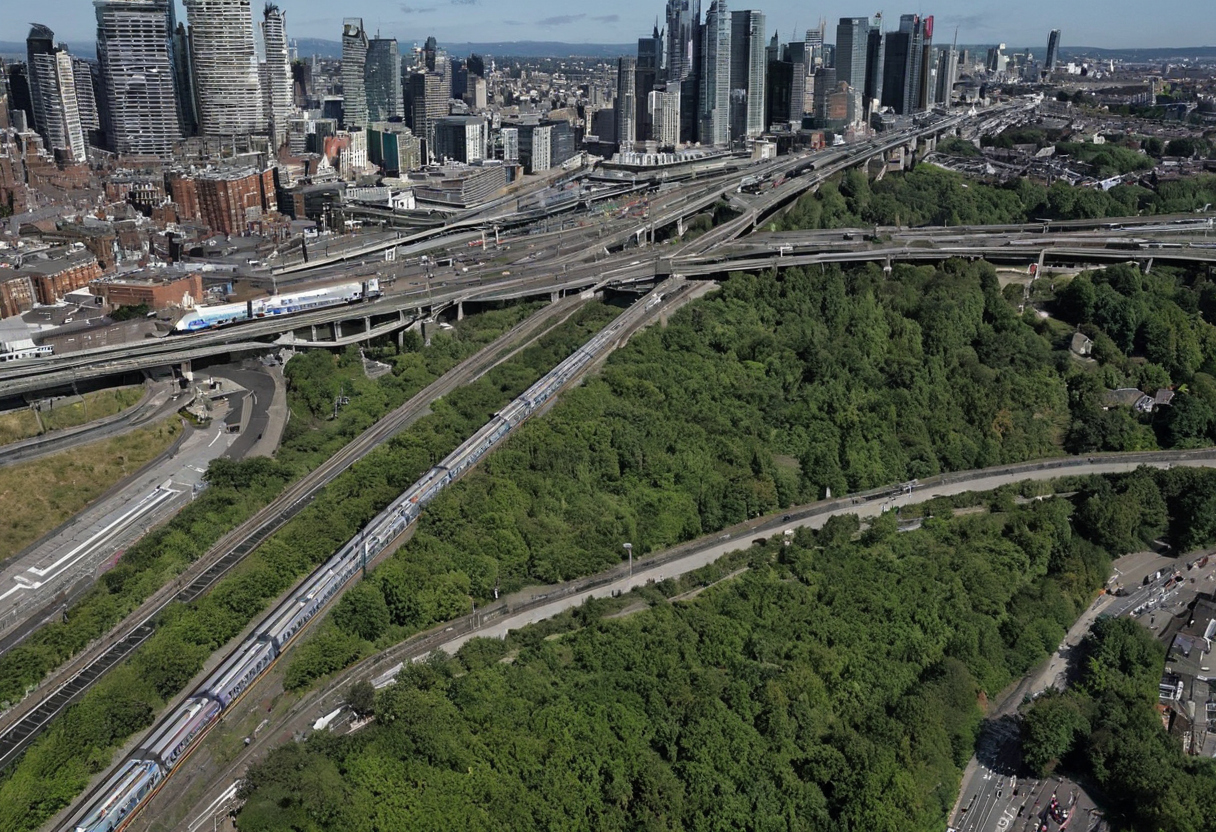
How do you sequence cities to minimize transit dependency risks.
For more on this topic, see other guides on this site.